July 12, 2026
Fiber Laser Cutting Technology Analysis: Process Optimization for Precision Sheet Metal Cutting in 0.5-30mm Thickness Range
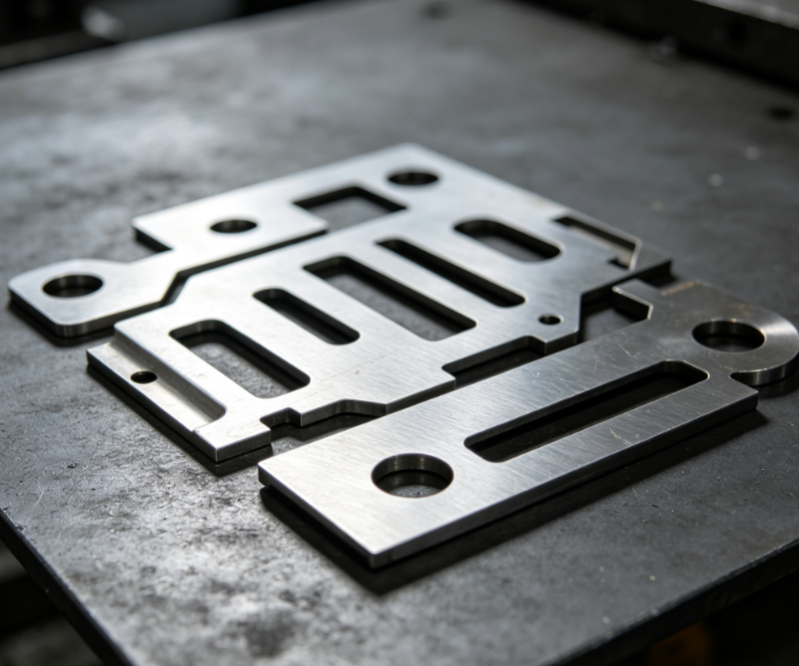
Table of Contents
1. Overview of Modern Sheet Metal Laser Cutting Technology
2. Advantages of Fiber Laser Cutting in Sheet Metal Processing
3. Process Adaptation for 0.5-30mm Full Thickness Cutting Range
4. Core Process Optimization for Precision Sheet Metal Cutting
5. Traditional Cutting vs Fiber Laser Cutting Performance Data Comparison
6. Common Process Defects and Improvement Solutions
7. Industry Professional FAQ
1. Overview of Modern Sheet Metal Laser Cutting Technology
Traditional sheet metal processing relies on stamping, flame cutting and shear cutting for decades.
These conventional methods hard to meet high-precision and personalized production demands now.
Sheet metal laser cutting has become the mainstream processing method in metal manufacturing.
Among all laser types, fiber laser cutting owns the widest market application coverage.
It covers thin and thick metal plates, realizing standardizedprecision sheet metal cutting.
2. Core Advantages of Fiber Laser Cutting Process
Fiber laser generator delivers higher beam quality compared with CO2 laser equipment.
The laser spot is smaller and more concentrated, ensuring tiny cutting gap control.
It supports fast cutting speed and low thermal deformation during processing.
This mature laser cutting process greatly improves finished product consistency.
It also reduces post-processing polishing and correction workload effectively.
3. 0.5-30mm Full Thickness Cutting Adaptation Analysis
The 0.5-30mm cutting range covers most common sheet metal industrial specifications.
0.5mm to 3mm thin plates require high-speed cutting to avoid thermal burn edge.
Medium plates from 3mm to 15mm need balanced power and feeding speed parameter.
Thick plates of 15mm to 30mm demand stable high-power laser output.
Different thickness materials need targeted laser cutting process parameter debugging.
4. Precision Sheet Metal Cutting Process Optimization Points
Precision sheet metal cutting focuses on edge flatness and dimensional tolerance control.
Beam focus position adjustment is the key to reduce cutting burrs.
Assisted gas pressure matching can effectively remove molten metal residue.
Reasonable speed stepping setting avoids thick plate layer cutting inconsistency.
Real-time temperature calibration ensures long-running batch processing stability.
5. Process Performance Data Comparison
The following industry test data is cited from AMADA Global Laser Processing Technology Research Report, which is recognized and adopted by global sheet metal manufacturing industries.
Processing Index | Traditional Flame Cutting | Fiber Laser Cutting (0.5-30mm) |
Dimensional Tolerance Accuracy | ±0.35mm | ±0.05mm |
Cutting Edge Burr Rate | 28.6% | 1.2% |
Thermal Deformation Rate | 18.3% | 2.5% |
Applicable Thickness Range | 6-50mm Only | 0.5-30mm Full Coverage |
Batch Qualified Rate | 81.4% | 98.7% |
Data proves that optimized fiber laser cutting technology achieves far higher precision and stability than traditional processes. It fully meets mass production requirements of sheet metal laser cutting and precision sheet metal cutting within 0.5-30mm cutting range through maturelaser cutting process adjustment.
6. Common Defects and Process Improvement Solutions
Thin plate edge yellowing usually caused by excessive laser power staying time.
Adjusting fast feeding speed can solve thin plate thermal oxidation effectively.
Thick plate cutting discontinuity relates to unstable gas pressure and focus deviation.
Regular maintenance of gas circuit and laser lens ensures continuous cutting effect.
Parameter grouping by thickness is the best way to stabilize batch processing quality.
7. Industry Professional FAQ
Q1: What thickness range is fiber laser cutting most suitable for? A1: Standard fiber laser cutting equipment performs best in the0.5-30mm cutting range. It balances cutting speed, precision and flatness, which is the core advantage of sheet metal laser cutting.
Q2: Why laser cutting realizes higher precision than traditional cutting? A2: The laser beam is highly concentrated with tiny heat affected zone. Through professional laser cutting process optimization, it realizes ultra-low tolerance precision sheet metal cutting without large thermal deformation.
Q3: What materials can be processed in 0.5-30mm laser cutting? A3: It covers carbon steel, stainless steel, aluminum alloy, copper and other common metal sheet materials, widely used in mechanical parts, cabinet shell and structural sheet processing.
Q4: How to improve the finished edge quality of laser cutting? A4: Optimize laser focus position, match reasonable auxiliary gas pressure, set thickness-based speed parameters, and keep lens clean, which can greatly reduce burrs and edge defects.
Related articles
May 16, 2026
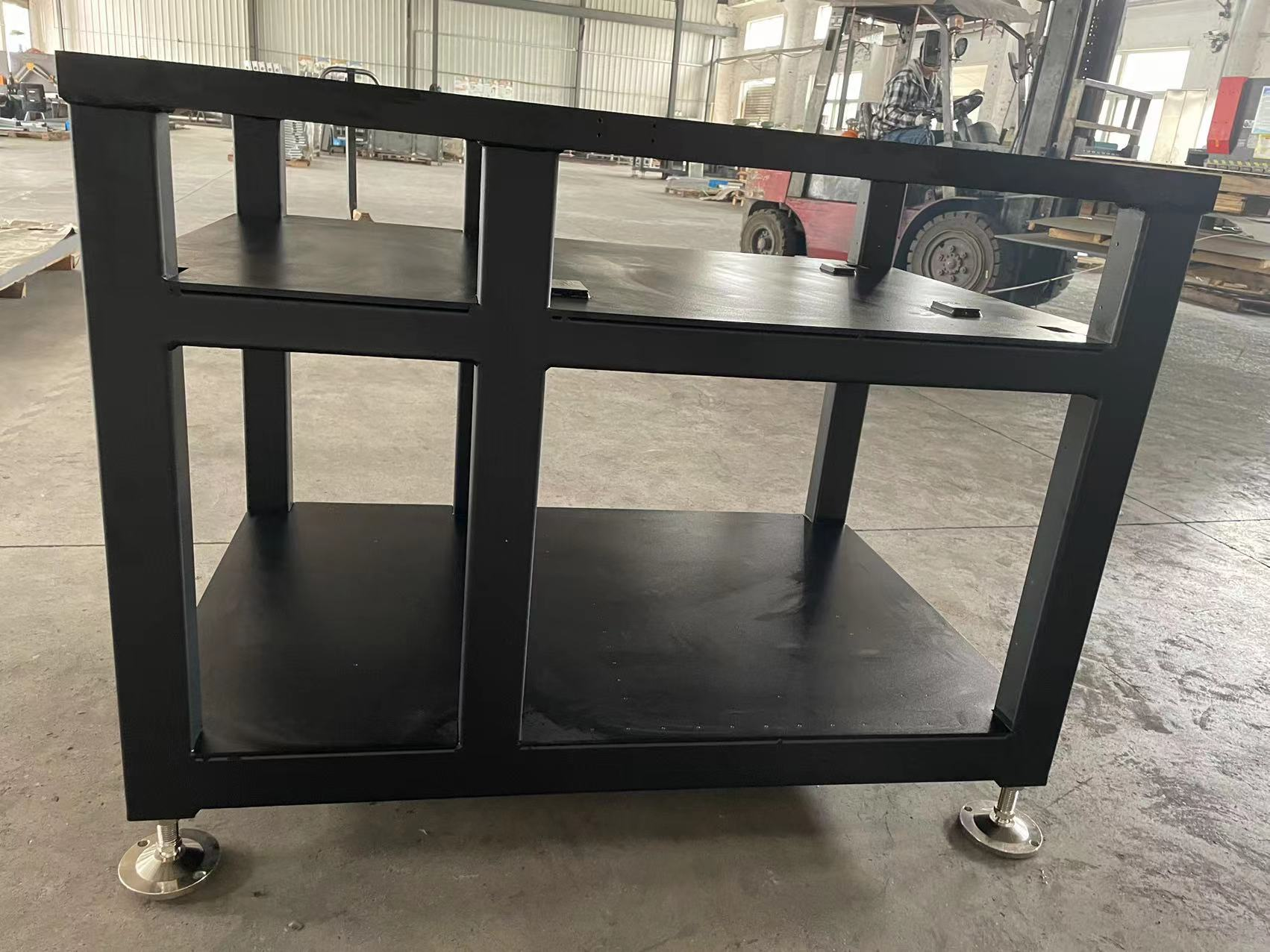
Calculation of the bearing capacity of non-standard sheet metal equipment frames: mechanical analysis from material selection to structural optimization to welding process
May 16, 2026
Woven Labels vs Printed Labels: Which Is Better for B2B Apparel Manufacturers & Suppliers?
Woven Labels vs Printed Labels: Which Is Better for B2B Apparel Manufacturers & Suppliers?
May 16, 2026
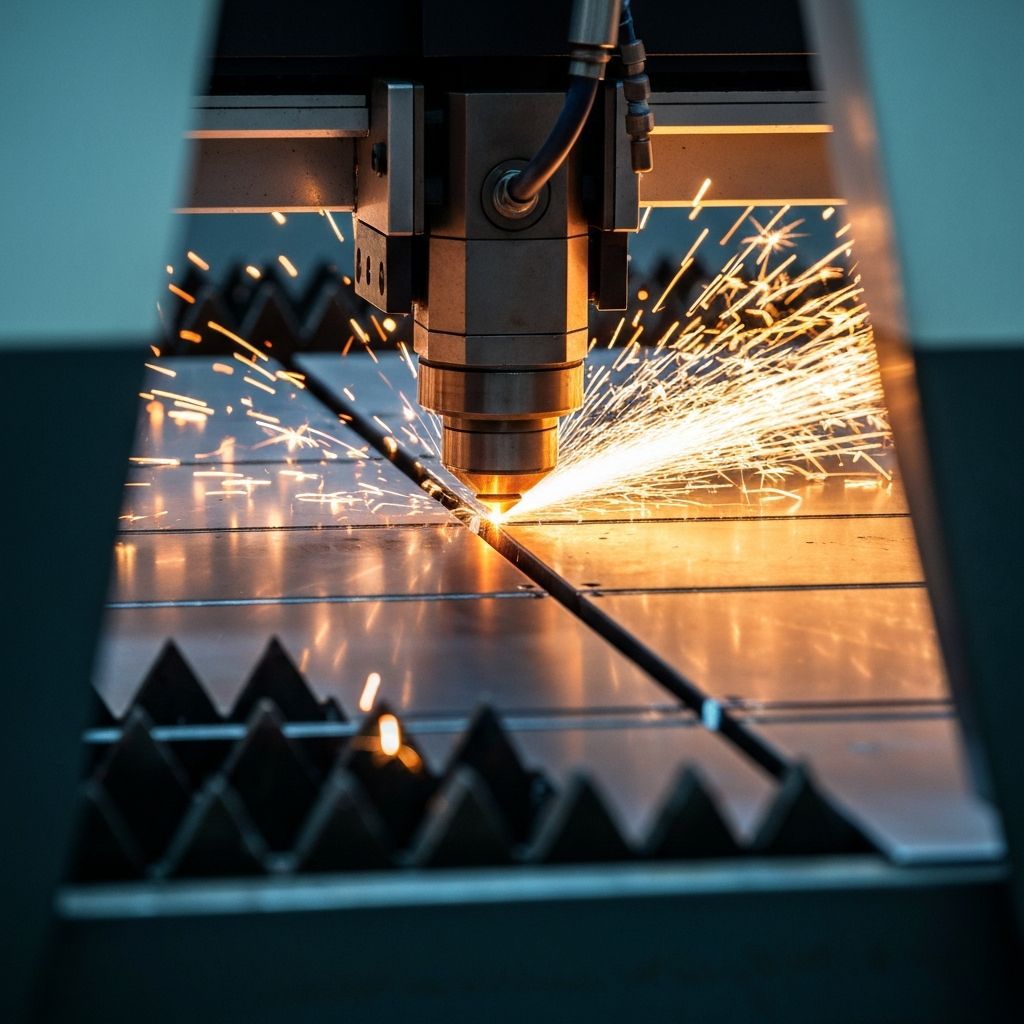
Optimization of Laser Cutting Process in Precision Sheet Metal Manufacturing: Material Adaptation and Cutting Parameter Settings from Stainless Steel to Aluminum Alloy