June 22, 2026
Laser Cutting and CNC Bending Technology in Sheet Metal Processing: Full Process Solutions From 0.5mm Thin Plate to 30mm Thick Plate
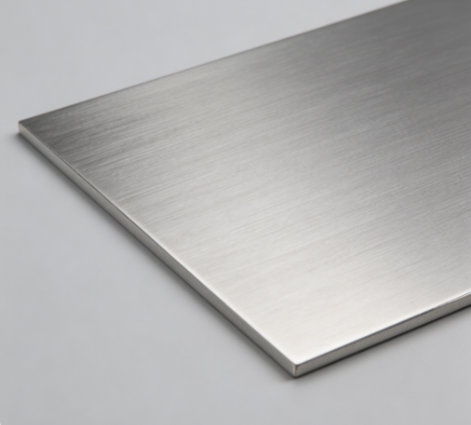
Table of Contents
1. Introduction
2. Core Advantages of Fiber Laser Technology for Sheet Metal Processing
3. Laser Cutting Sheet Metal: Thin Plate vs Thick Plate Machining Logic
4. Process Data Comparison: 0.5mm to 30mm Laser Cutting Performance
5. CNC Bending Matching Process for Laser Cut Parts
6. Standard Operation of Full Sheet Metal Processing Workflow
7. Industry Common FAQ
1. Introduction
Modern industrial manufacturing rely heavily on precise sheet metal processing. Product quality directly depends on cutting accuracy and bending stability.
Traditional sheet metal cutting methods have obvious limits. It cannot handle ultra-thin plates and high-hardness thick plates well.
Fiber laser technology completely change the sheet metal processing industry. It support stable machining from 0.5mm thin plate to 30mm thick plate.
Laser cutting sheet metal and CNC bending form a complete production loop. It make up the core of standardized sheet metal processing full workflow.
Many factories struggle with inconsistent precision between thin plate and thick plate processing. Unified full-process standards solve this industry pain point.
2. Core Advantages of Fiber Laser Technology for Sheet Metal Processing
Fiber laser technology is the mainstream core technology for current laser cutting sheet metal production.
It has smaller heat affected zone than traditional CO2 laser cutting. It reduce material deformation during processing.
This technology adapt to a wide thickness range. It cover ultra-thin 0.5mm plates and 30mm industrial thick plates.
High laser energy density ensure smooth cutting edge. No burrs and less secondary processing work needed.
It lay a solid precision foundation for the subsequent CNC bending process.
3. Laser Cutting Sheet Metal: Thin Plate vs Thick Plate Machining Logic
3.1 0.5mm Thin Plate Laser Cutting
Thin sheet metal cutting focus on speed and anti-deformation control. Low power and high speed parameter is the best choice.
Fiber laser equipment deliver fast cutting speed for thin plates. It improve batch production efficiency greatly.
Precise energy control avoid plate burn-through and edge warping defects.
3.2 30mm Thick Plate Laser Cutting
Thick plate laser cutting need high-power laser output. It ensure full penetration of thick metal materials.
Processing focus on cutting verticality and section flatness. Thick plates easy to have slag and uneven cuts.
Reasonable gas pressure and speed matching eliminate thick plate processing defects effectively.
4. Process Data Comparison: 0.5mm to 30mm Laser Cutting Performance
The table below use 2026 professional fiber laser cutting test data. It record real processing parameters and quality indicators of different thickness sheet metal.
Plate Thickness (Carbon Steel) | Laser Power | Cutting Speed (m/min) | Edge Roughness (Ra μm) | Processing Qualification Rate |
0.5mm (Thin Plate) | 1kW | 18.5 | 1.2 | 99.8% |
10mm (Medium Plate) | 6kW | 2.8 | 2.5 | 99.2% |
30mm (Thick Plate) | 12kW | 0.4 | 3.8 | 98.5% |
Data show fiber laser technology achieve stable processing for full thickness sheet metal.
Thin plate processing own high efficiency and smooth edge. Thick plate laser cutting keep qualified flatness and verticality.
5. CNC Bending Matching Process for Laser Cut Parts
CNC bending is the key forming process after laser cutting sheet metal. It decide the final dimensional accuracy of parts.
Thin plate parts need low bending pressure and slow forming speed. It prevent cracking and distortion.
30mm thick plate need high-pressure CNC bending equipment. It ensure full forming without rebound.
Unified bending parameter calibration match different thickness parts. It guarantee consistent batch quality.
6. Standard Operation of Full Sheet Metal Processing Workflow
Complete sheet metal processing full workflow include programming, laser cutting, deburring, CNC bending and quality inspection.
Fiber laser cutting finish blanking and precise cutting in one step. It save manual trimming time.
Standardized CNC bending process fix forming errors. It reduce product defective rate.
This full-process model suit small-batch customized orders and large-scale mass production.
7. Industry Common FAQ
Q1: Why fiber laser technology dominate sheet metal laser cutting?
A1: Fiber laser has smaller heat deformation, faster speed and higher stability. It can process 0.5mm thin plate to 30mm thick plate, which traditional laser equipment cannot support.
Q2: What is the biggest difficulty of thick plate laser cutting?
A2: 30mm thick plate need high laser power and precise gas matching. Unreasonable parameters cause slag adhesion and uneven cutting sections, affect subsequent CNC bending precision.
Q3: How to ensure precision matching in sheet metal processing full workflow?
A3: Unified parameter calibration for laser cutting and CNC bending. Standard deburring and inspection procedures eliminate cumulative errors, keep consistent part accuracy.
Q4: Can thin plate and thick plate share the same laser cutting equipment?
A4: High-power fiber laser equipment support full thickness processing. Only need adjust power and speed parameters to adapt 0.5mm to 30mm sheet metal production.
Related articles
May 16, 2026
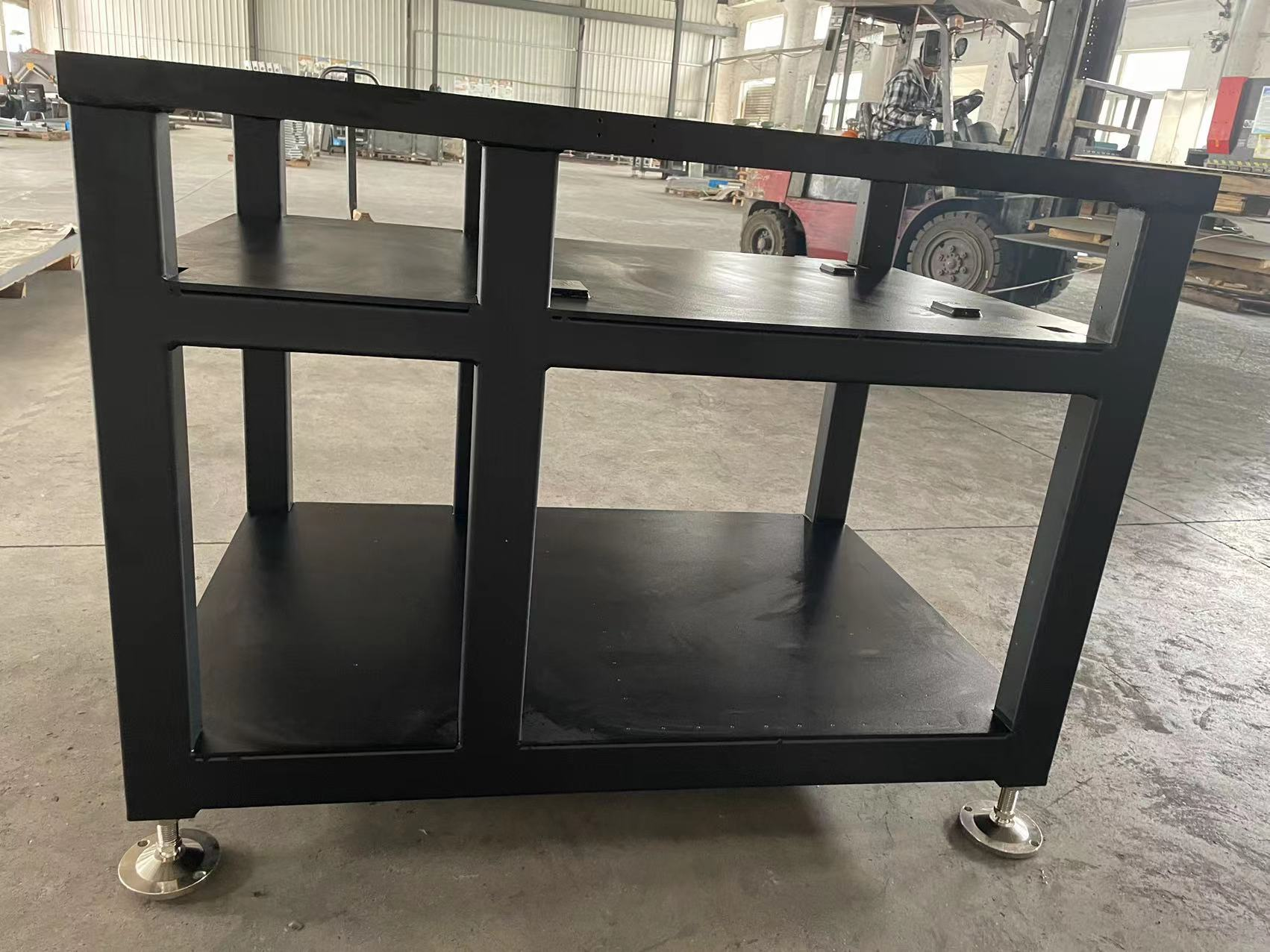
Calculation of the bearing capacity of non-standard sheet metal equipment frames: mechanical analysis from material selection to structural optimization to welding process
May 16, 2026
Woven Labels vs Printed Labels: Which Is Better for B2B Apparel Manufacturers & Suppliers?
Woven Labels vs Printed Labels: Which Is Better for B2B Apparel Manufacturers & Suppliers?